Advantage is the point.

Every organization now agrees that AI matters, but far fewer can say whether their efforts are actually paying off or simply adding motion. We view AI as a capability that compounds when built in the right order across strategy, people, process, data, governance, and leadership, rather than as a single tool or a one-time transformation moment.
Our AI Strategy & Execution team moves organizations from experimentation to measurable results. We built a four-stage framework guiding clients from Foundation to Capacity to Leverage to Advantage. Our services map to where you are on the path, tailored to your data, workflows, and people, so every engagement builds on the last.
how elliott davis
can help
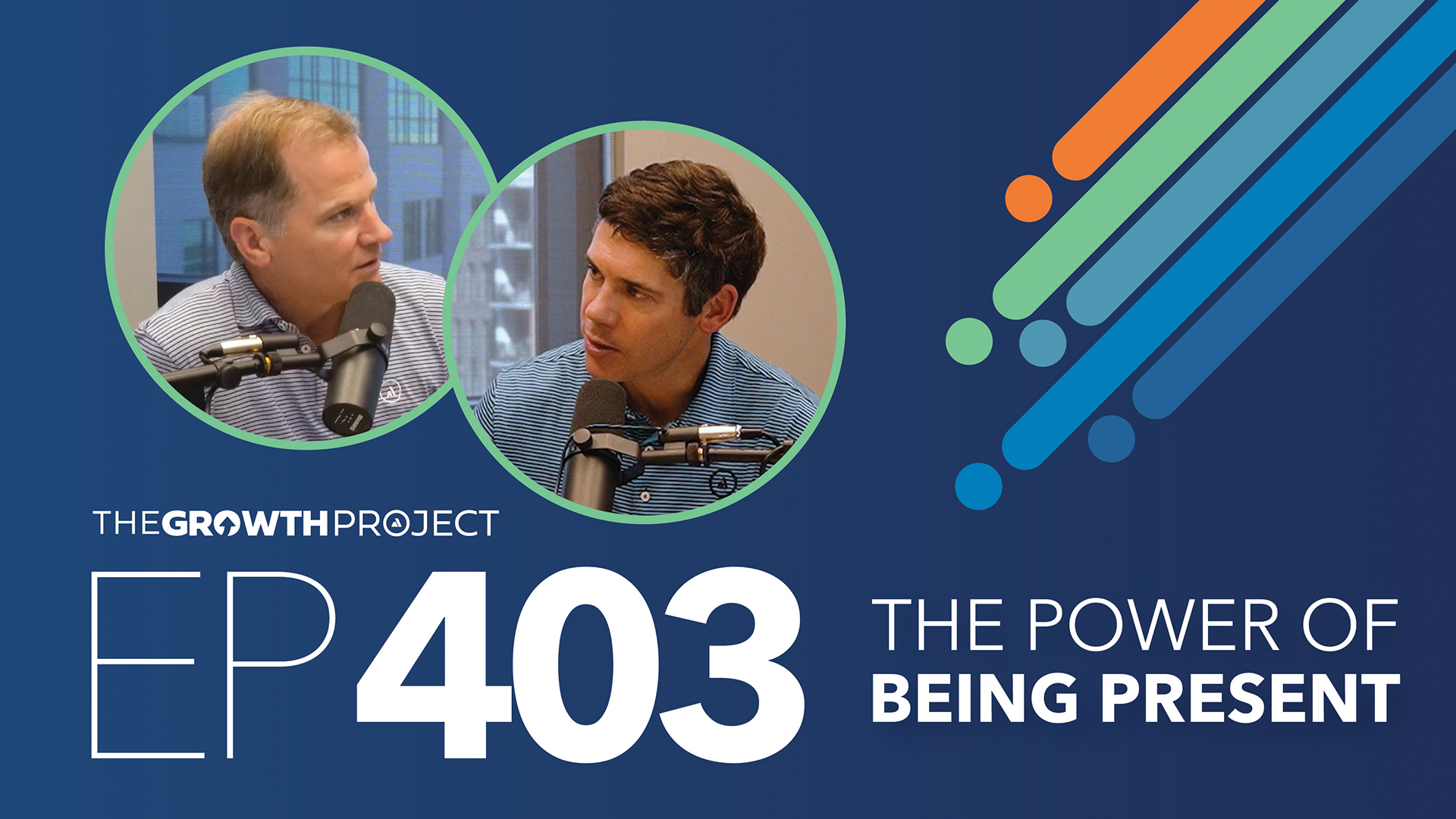
The Power of Being Present
In a world full of distractions, being fully present with the people who matter most has become increasingly difficult and increasingly important.

What ESOP sellers need to know about Section 1042 rollovers
Selling to an ESOP? Learn how a Section 1042 rollover may help defer capital gains taxes, diversify wealth, and support succession planning goals.
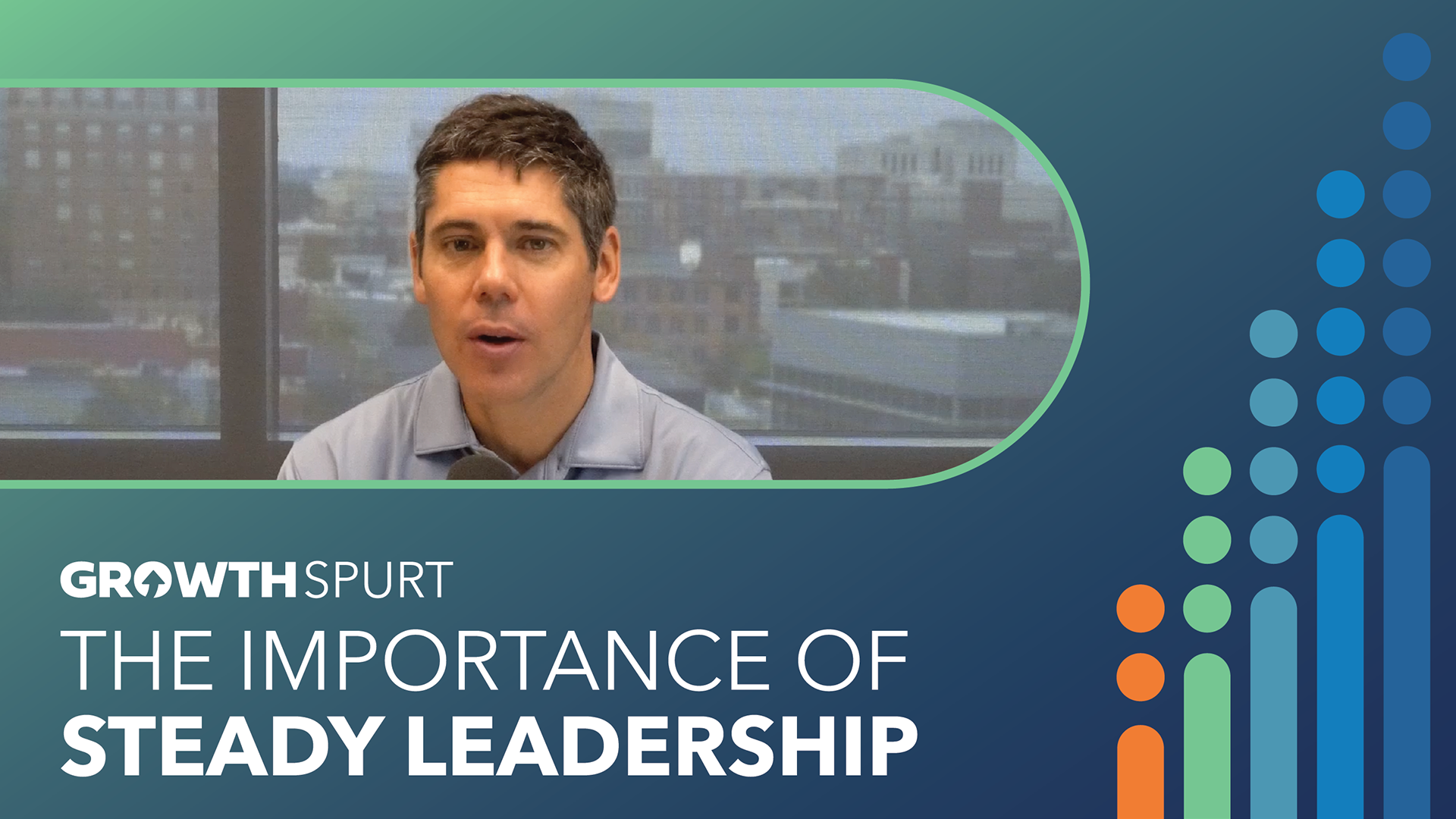
The Importance of Steady Leadership
Great leaders remain steady, even when the circumstances around them change.
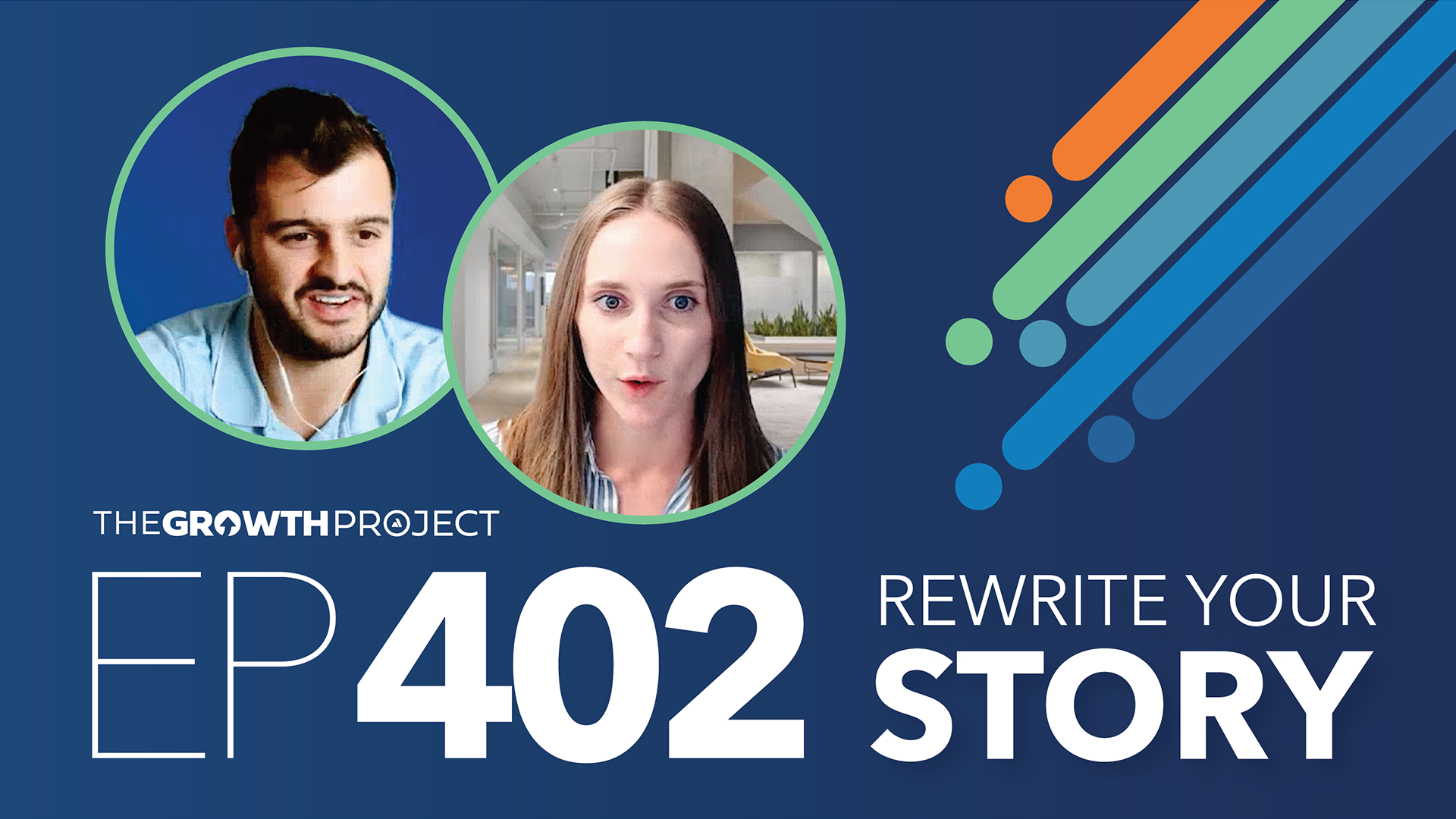
Rewrite Your Story
What if the story you tell yourself about your life is shaping who you become?

FSG Quarterly Financial Services Update - Q3 2026
Stay current on the latest FASB, SEC, FDIC, OCC, and Federal Reserve developments affecting financial institutions.

Replay: Financial Services Group Quarterly Accounting and Reporting Update
In this replay of our recent webinar, our team explores the accounting, regulatory, and industry developments affecting financial institutions today.
related
solutions
FAQ
AI Strategy & Execution helps organizations identify, prioritize, govern, implement, and scale artificial intelligence initiatives that support business objectives. Elliott Davis combines strategy, people, process, governance, adoption, and technology to help organizations move from experimentation to measurable business outcomes.
Organizations may be ready for AI if they have business challenges that could benefit from automation, improved decision-making, or process transformation. AI readiness assessments evaluate strategy, data, workflows, governance, leadership alignment, and organizational capabilities to determine where to start and what should come next.
Many organizations begin with executive alignment, readiness assessments, and use-case prioritization. Establishing clear business objectives and selecting practical opportunities often creates a stronger foundation than starting with a specific AI tool or technology.
The most effective AI use cases typically address meaningful business challenges such as workflow inefficiencies, process bottlenecks, knowledge access, repetitive tasks, decision support, and operational scalability. Prioritization should focus on opportunities that align with business goals and measurable outcomes.
Responsible AI adoption requires governance, leadership oversight, policies, controls, risk management, and clear accountability. Successful organizations establish guardrails that support innovation while maintaining transparency, security, and compliance.
AI value should be measured against defined business objectives such as productivity improvements, capacity creation, operational efficiency, cost reduction, redeployment opportunities, or other strategic outcomes. Establishing baseline metrics and before-and-after measurement is essential to demonstrating impact.
Many AI initiatives struggle because organizations focus on the technology itself without addressing the people, processes, governance, and adoption needed to support it. Successful AI programs require workforce readiness, change management, leadership support, and ongoing measurement in addition to technical implementation.
AI governance provides the policies, controls, guardrails, oversight, and operating models needed to manage AI responsibly. Governance helps organizations address risk, accountability, transparency, compliance, and decision-making while enabling innovation.
AI agents can assist with tasks, workflows, decisions, and business processes by operating within defined parameters and governance frameworks. Organizations should evaluate agent opportunities based on business objectives, workflow requirements, risk considerations, and integration needs.
To scale AI effectively, organizations often need workforce enablement, governance frameworks, workflow redesign, operating model changes, leadership alignment, adoption support, and ongoing performance measurement to achieve sustainable results.

Solutions by Category
When running a business, a variety of challenges and opportunities present themselves. Our breadth of services span every category. Based on your business goals, we’ll find the right solutions to meet the moment.