

Edit: Originally published on September 6, 2023. Updated to reflect current internal controls best practices.
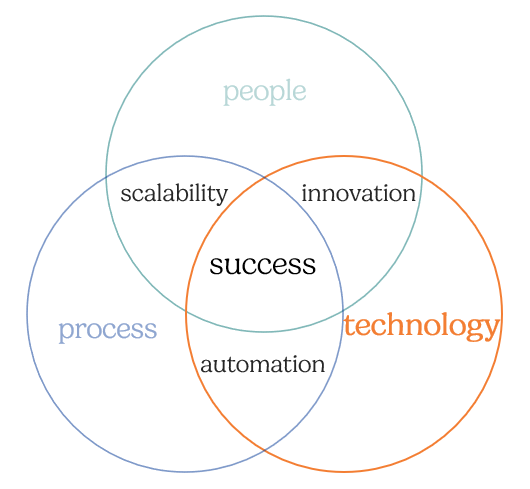
Technology can materially improve how organizations operate when it is applied with intention and aligned to the control environment. Well-designed automation accelerates execution, reduces manual effort, and creates consistency across daily activities, allowing teams to focus on work that directly supports business objectives. It also modernizes internal controls by embedding preventive mechanisms that strengthen risk mitigation and reduce reliance on manual workarounds.
The challenge lies in selecting technologies that align with your organization’s strategic objectives, operating model, and risk appetite. With an expanding array of platforms, vendors, pricing models, security considerations, and implementation paths, technology decisions have become increasingly complex. Without a clear, strategy-driven approach, organizations risk making investments that introduce inefficiencies, elevate risk, and dilute accountability rather than create value.
Workflow automation can bring structure and reliability to routine operational activities, improving consistency and reducing rework. Standardized workflows, system-enforced approvals, and rules-based processing can lower cost, reclaim time, and improve execution across functions while strengthening internal controls.
However, automation does not solve underlying design issues. Organizations often assume a new Enterprise Resource Planning (ERP) system will fix inefficiencies, only to find it reinforces misaligned processes, unclear ownership, and weak integration. This can drive higher long-term costs and undermine performance. Technology is most effective when processes are clearly defined and aligned to risk, reporting needs, and internal control expectations.
A strong technology assessment begins with understanding how systems support internal controls, reporting requirements, and risk management. Instead of chasing the newest tools, effective organizations evaluate whether technology reduces risk, improves control consistency, and reinforces accountability across the enterprise.
Key areas of focus include:
A thorough technology assessment enables organizations to make smarter investments, strengthen internal controls, and support performance as the business evolves.
When aligned to how the business operates, technology supports consistency, accountability, and audit readiness by strengthening controls and reducing manual workarounds. At Elliott Davis, we help organizations evaluate technology, enabling systems to support performance.
Our approach focuses on:
Contact us to learn more or explore other articles in this series:
The information provided in this communication is of a general nature and should not be considered professional advice. You should not act upon the information provided without obtaining specific professional advice. The information above is subject to change.
related
insights

Discover how businesses can strengthen performance by aligning processes with people and technology. Good processes lend structure and support to be able to manage challenges and make informed decisions.