

Edit: Originally published on August 8, 2023. Updated to reflect current internal controls best practices.
A day at any business may differ from company to company based on the services or products it offers, but all businesses have perform similar operational activities, including meetings, contracts, approvals, reporting, and execution. These tasks introduce risks, such as missing or inappropriate approvals, incomplete or inaccurate data, fraud, inconsistent execution, inefficient handoffs, and reputational damage, among others. Without a defined structure to govern how work gets done, these risks compound over time, creating control failures, inefficiencies, and exposure that can impact financial reporting, decision-making, and the organization’s ability to scale.
This is where internal controls play an important role. When thoughtfully designed and well executed, internal controls bring structure and accountability to routine activities, reducing the likelihood and impact of operational, financial, and compliance risks. Having good internal controls in place is the key for any business to thrive. When questions arise about the effectiveness of existing controls, it is often a signal for leadership to reassess, reorganize, and, when appropriate, seek additional perspective.
Strengthening internal controls does not always require a significant new investment. Many times, all that is needed is a recalibration of what is already in place. Reassessing current processes, ownership, and system use can reduce risk while improving efficiency and consistency.
Internal controls are deliberate activities carried out or governed by people, embedded in processes, and enabled by technology to reduce risk and strengthen how an organization operates. They establish clear expectations around who is responsible, how work should be performed, and where oversight occurs. Without this structure, variability in execution increases, making it harder to identify issues, enforce accountability, or support well-informed decision-making.
Internal controls operate across three interconnected components: people, process, and technology. When aligned, they create a coordinated control environment that drives greater efficiency, enhances risk mitigation, and enables scalable, sustainable growth.
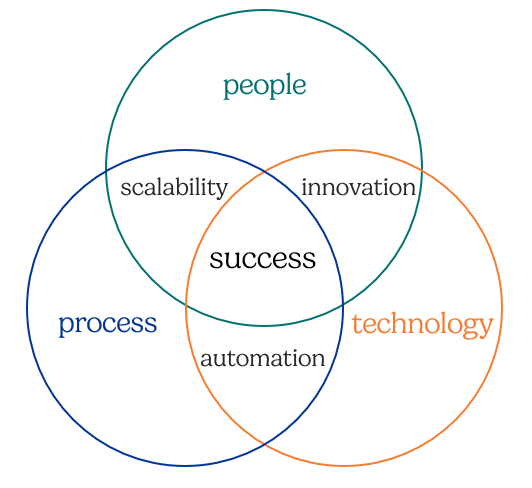
Internal controls designed through an integrated people, process, and technology lens help organizations manage risk in line with their risk appetite, drive productivity and efficiency, create value, and support the achievement of strategic goals.
This article is the first in a series that explores each area—people, process, and technology—why they are important, and how to evaluate where risk may be building and where improvements can have the greatest impact.
Strong governance frameworks reinforce transparency, accountability, and sustained performance. Effective organizations rely on disciplined controls and well-defined processes to support sound decision-making, manage risk, and remain audit-ready.
At Elliott Davis, our team helps organizations identify and implement practical improvements across governance, processes, and reporting, including the ability to:
Contact us today to get started and explore other articles in the series:
The information provided in this communication is of a general nature and should not be considered professional advice. You should not act upon the information provided without obtaining specific professional advice. The information above is subject to change.
related
insights


Discover how businesses can strengthen performance by aligning processes with people and technology. Good processes lend structure and support to be able to manage challenges and make informed decisions.