






DO NOT PUBLISH

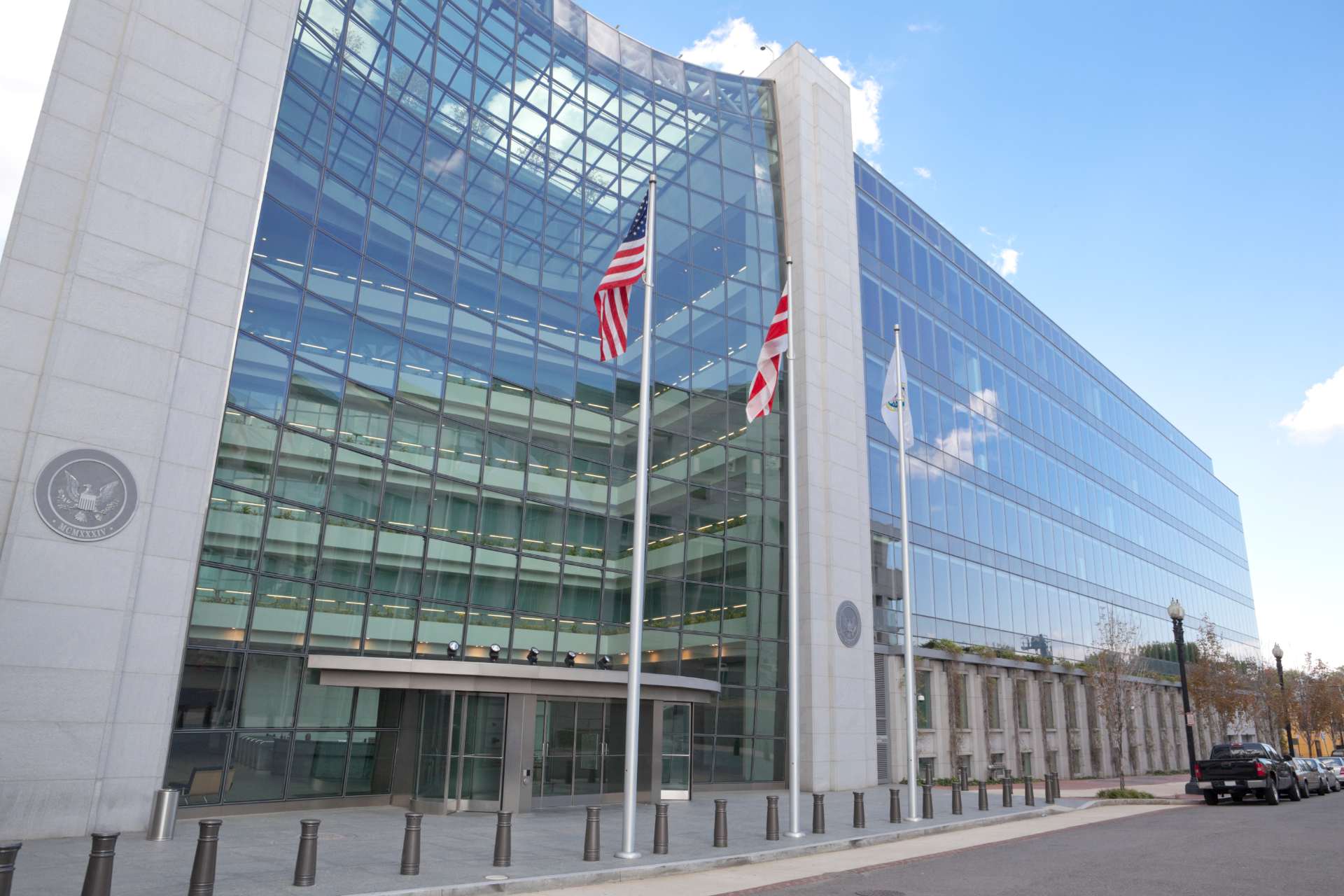

Table of Contents
Share with network
Related Insights
The SEC’s proposed semiannual reporting framework could significantly alter the reporting calendar for eligible public companies, including financial institutions that currently file Form 10-Qs. On May 5, 2026, the SEC proposed rule and form amendments that would allow public companies to elect a new Form 10-S in place of quarterly Form 10-Q filings. Quarterly reporting would remain the default, and the proposed election would be optional.
If finalized, eligible registrants would have two reporting paths: continue filing three quarterly reports and one annual report each year or elect to file one semiannual report and one annual report.
The election would be made annually through Form 10-K, with no ability to switch reporting formats during the year. For banks and bank holding companies, that decision could influence the finance calendar, audit planning, disclosure controls, earnings communications, investor engagement, and governance activities for the year ahead.
While the proposal would reduce the number of interim SEC filings, many disclosure, governance, and certification requirements would remain unchanged.
Cost savings are only one side of the decision. Investors, analysts, rating agencies, lenders, and other stakeholders may still expect quarterly visibility into financial performance and banking metrics. If peer institutions continue filing Form 10-Q while one institution moves to a semiannual cadence, the choice itself could send a signal. For some stakeholders, it may suggest disciplined cost management. For others, it may raise questions about transparency, liquidity, or access to timely information.
Before making an election, institutions should engage with the audit committee, investors, legal counsel, auditors, and shareholders to understand stakeholder expectations. They should also monitor how peers respond. Expectations may differ significantly based on ownership structure, trading activity, analyst coverage, and capital market participation.
Financial institutions should recognize that a change in SEC filing frequency would not affect bank regulatory reporting requirements. Quarterly Call Reports, examiner access, and applicable bank-level control expectations would continue.
While Form 10-S could reduce certain SEC reporting obligations, financial institutions would still be subject to largely unchanged quarterly regulatory reporting requirements.
A longer interim reporting cycle may also affect governance and control processes throughout the organization.
Disclosure controls and ICFR frameworks should be evaluated to determine how a six-month reporting period affects internal timelines, close procedures, review controls, committee meetings, model governance, and documentation practices.
Many institutions may choose to continue providing quarterly updates through earnings releases furnished on Form 8-K. If so, leaders should apply appropriate governance and controls to those communications, including oversight of non-GAAP measures, performance metrics, and other investor-facing disclosures.
Insider trading policies deserve attention as well. Longer periods between SEC filings may increase the amount of material nonpublic information held within the organization. Directors and executives should understand those implications before adopting a different reporting cadence.
Elliott Davis can help banks and bank holding companies evaluate how proposed semiannual reporting requirements may affect reporting calendars, disclosure controls, audit planning, investor communications, debt covenants, and stakeholder expectations. Our Financial Services Group identifies practical considerations and supports leadership teams in making informed reporting decisions.
Contact the Elliott Davis Financial Services Group to discuss how this proposal could affect your institution’s reporting strategy and check out our recent webinar for more information.
The information provided in this communication is of a general nature and should not be considered professional advice. You should not act upon the information provided without obtaining specific professional advice. The information above is subject to change.
related
insights

FDICIA threshold changes may exempt many community banks from ICFR attestations, but SOX compliance might be around the corner. Learn how public float and revenue tests impact your filing status and what steps to take now.



.jpg)
