Make the most of every opportunity.

how elliott davis
can help
A key component of the Elliott Davis risk assessment approach is the individual attention paid to each key stakeholder, from management to field-level employees. In order to obtain the best information, we conduct one-on-one interviews with a wide range of stakeholders to encourage full transparency from all team members.
Key steps in the risk assessment process include:
THE TEAM
meet our
specialists
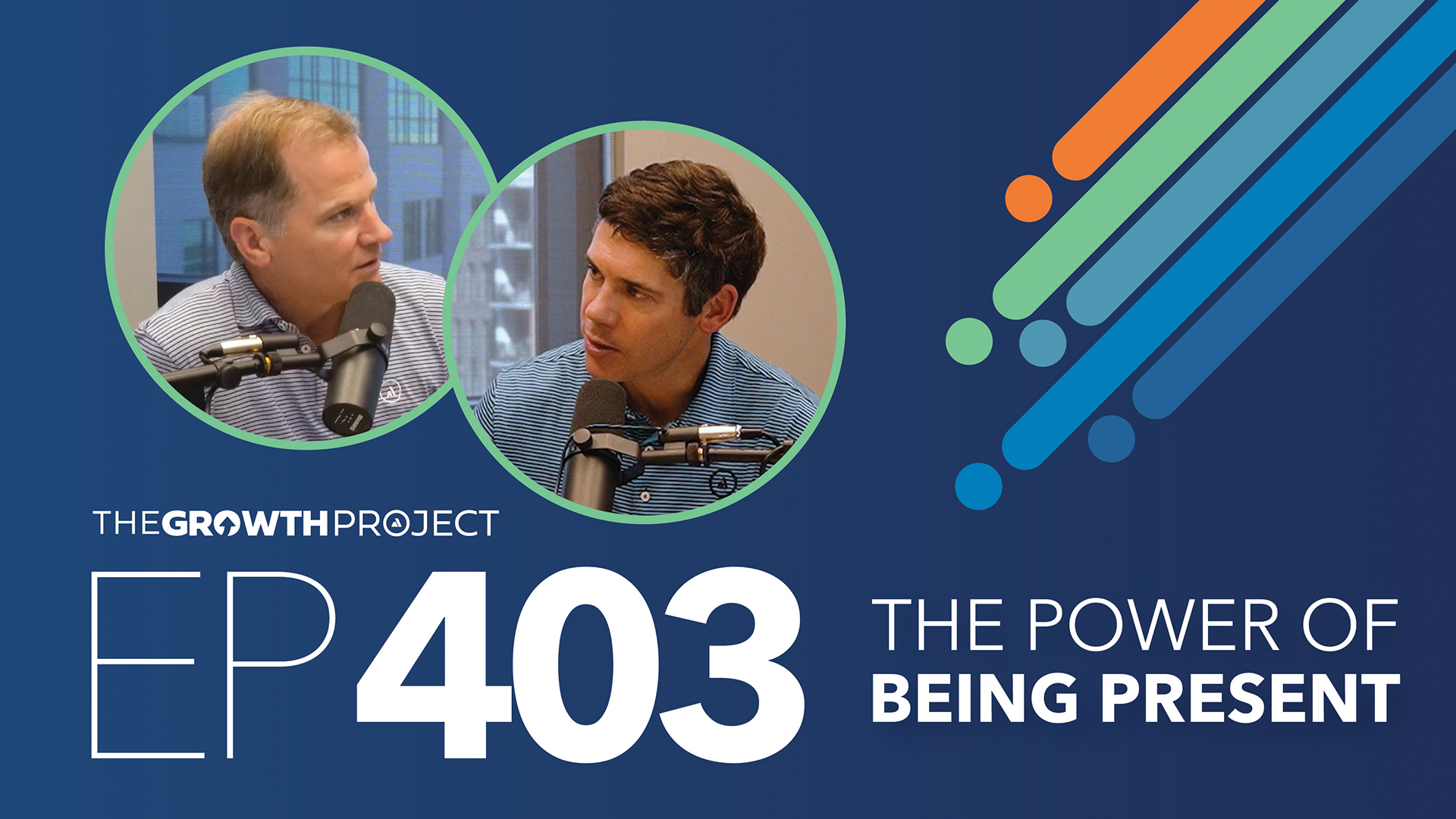
The Power of Being Present
In a world full of distractions, being fully present with the people who matter most has become increasingly difficult and increasingly important.

What ESOP sellers need to know about Section 1042 rollovers
Selling to an ESOP? Learn how a Section 1042 rollover may help defer capital gains taxes, diversify wealth, and support succession planning goals.
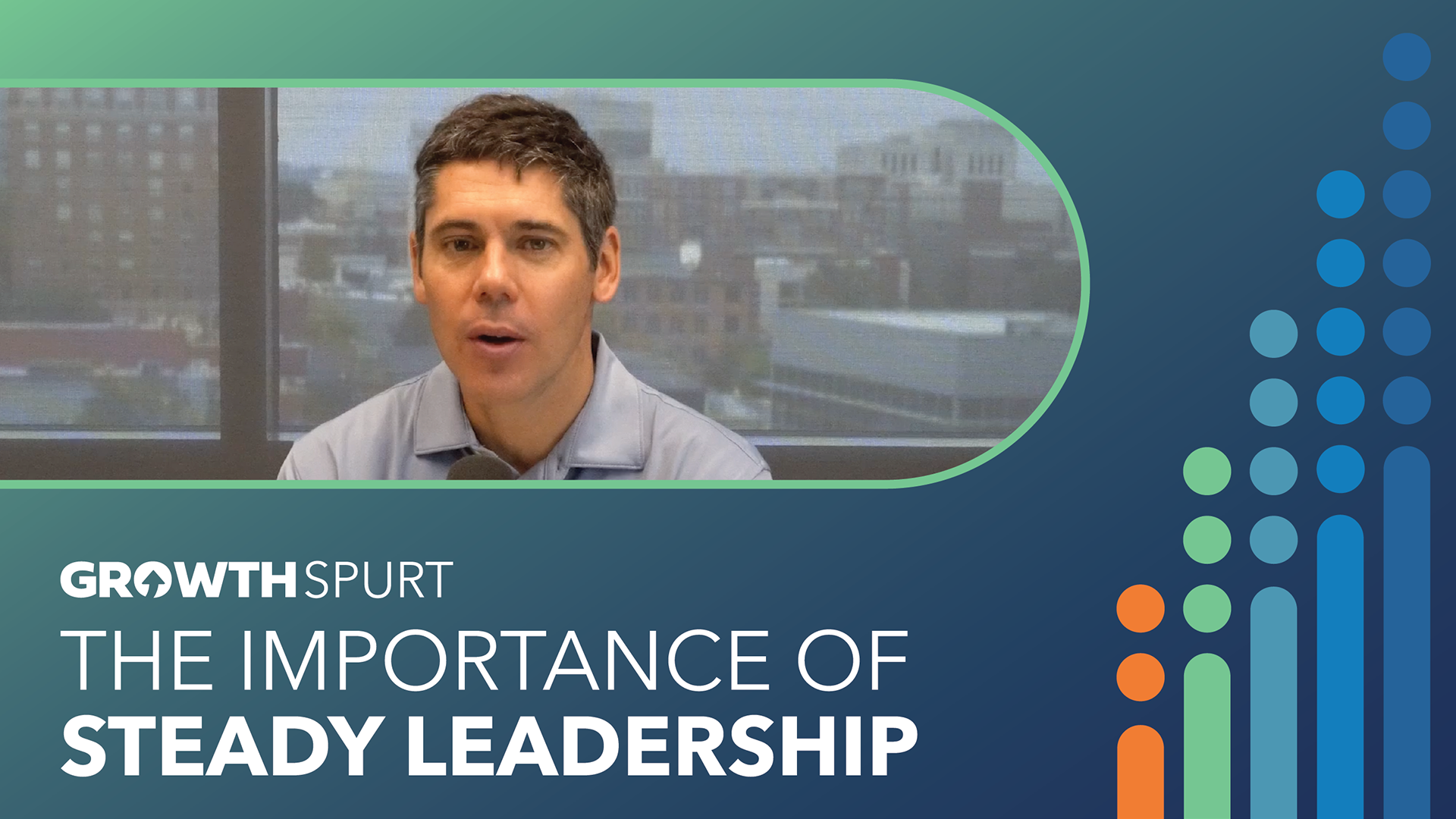
The Importance of Steady Leadership
Great leaders remain steady, even when the circumstances around them change.
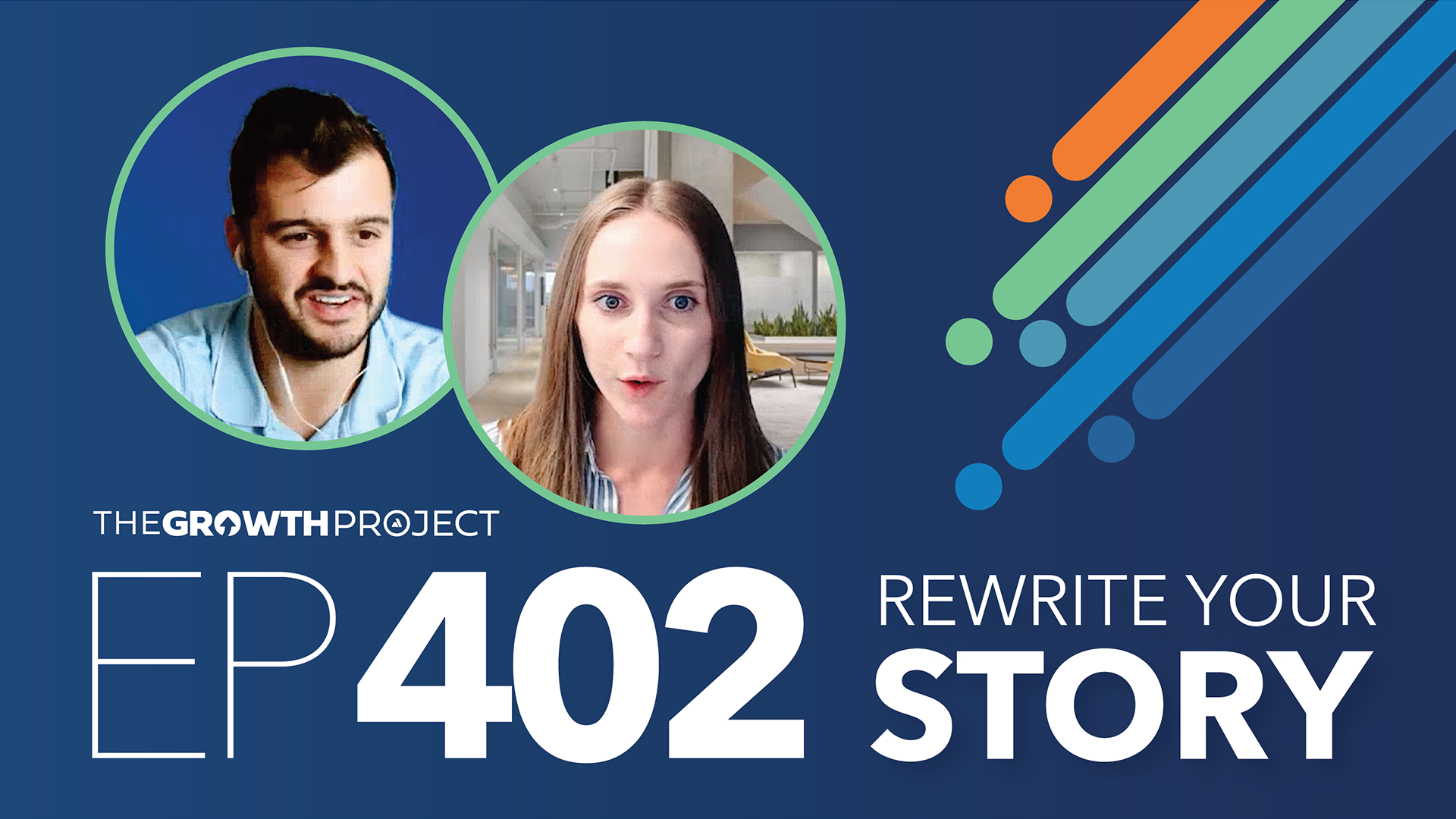
Rewrite Your Story
What if the story you tell yourself about your life is shaping who you become?

FSG Quarterly Financial Services Update - Q3 2026
Stay current on the latest FASB, SEC, FDIC, OCC, and Federal Reserve developments affecting financial institutions.

Replay: Financial Services Group Quarterly Accounting and Reporting Update
In this replay of our recent webinar, our team explores the accounting, regulatory, and industry developments affecting financial institutions today.
related
solutions

Solutions by Category
When running a business, a variety of challenges and opportunities present themselves. Our breadth of services span every category. Based on your business goals, we’ll find the right solutions to meet the moment.