find your solution.
search for solutions by category, industries, insights, and people.


find your solution.
search for solutions by category, industries, insights, and people.
search for solutions by category, industries, insights, and people.
search for solutions by category, industries, insights, and people.



Healthcare organizations remain a frequent target for cybercriminals because patient data is valuable and clinical operations are highly sensitive to downtime. As healthcare systems become more dependent on connected technologies, even a temporary outage can affect patient access, care delivery, operational performance, and regulatory obligations. Ransomware groups understand these pressures and often exploit them to increase leverage during an attack.
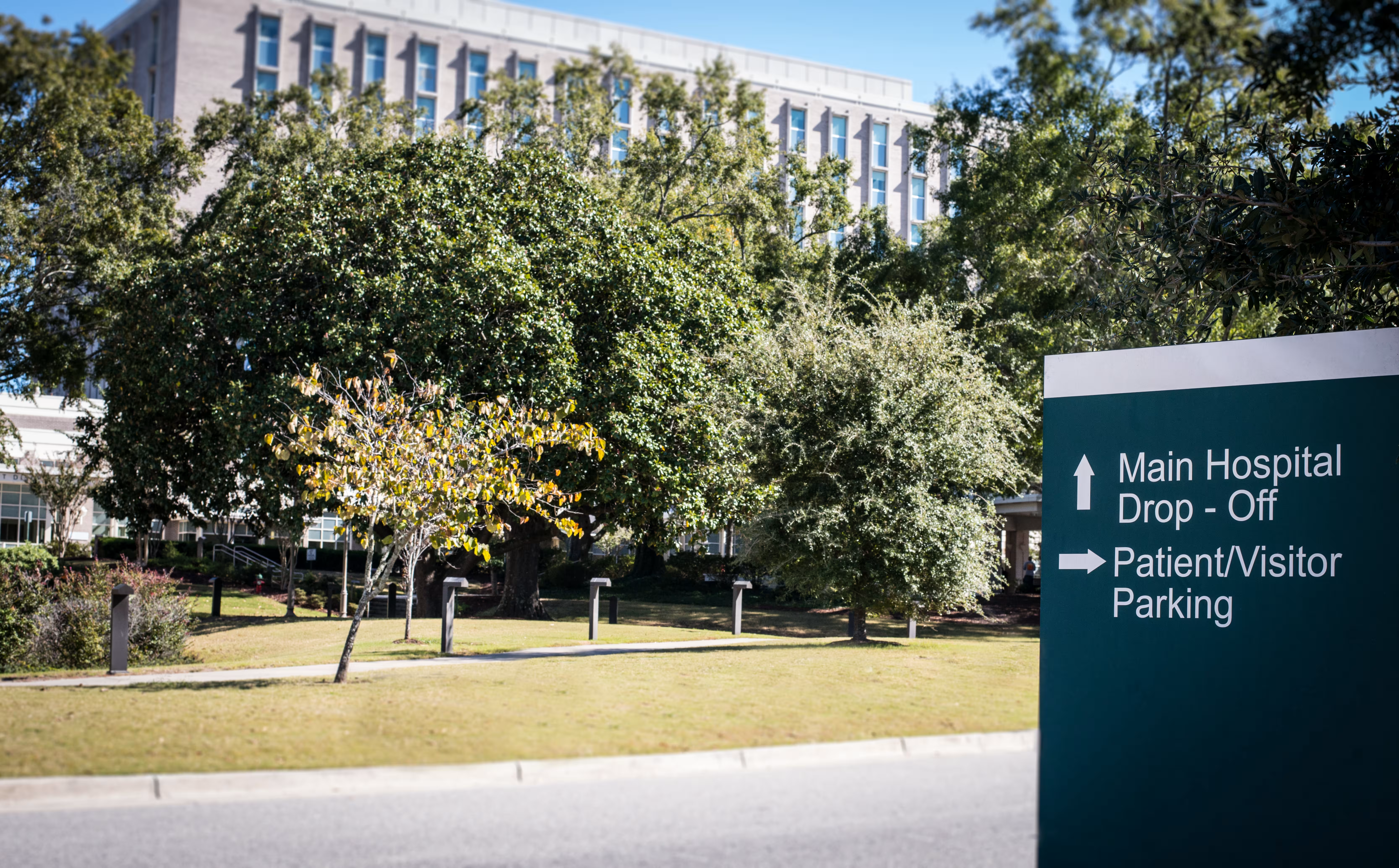
The recent AnMed cybersecurity incident offers a clear example of how a cyber event can affect day-to-day healthcare operations. According to public reporting, the malware-related disruption affected systems supporting healthcare delivery, resulting in impacts to communications, patient-facing services, physician offices, imaging locations, and elective procedures while recovery efforts were underway.
For healthcare leaders, cybersecurity is closely tied to business continuity, operational resilience, reputation, and patient safety. The challenge is not simply preventing attacks, but maintaining critical services and supporting patients when key technology systems become unavailable.
Modern healthcare delivery relies heavily on technology. When critical systems are disrupted, the effects can quickly spread across the organization.
Public reports surrounding the AnMed cybersecurity incident described postponed or canceled procedures, unavailable imaging services, patient diversions, downtime protocols, and temporary reliance on manual workflows.
The disruptions affected:
What begins as a cybersecurity event can quickly become an operational resilience challenge with implications for patients, caregivers, and community trust.
Healthcare organizations face growing pressure to protect patient data, support uninterrupted care delivery, and meet regulatory expectations. As cyber threats become more sophisticated and technology environments more complex, many organizations struggle to maintain visibility into risk, validate security controls, and prepare for operational disruptions.
Effective cybersecurity programs are built on a combination of risk management, governance, technical controls, and incident preparedness. Elliott Davis works with healthcare organizations to:
Contact us today to strengthen your cybersecurity posture and safeguard the care your patients depend on.
The information provided in this communication is of a general nature and should not be considered professional advice. You should not act upon the information provided without obtaining specific professional advice. The information above is subject to change.



.jpg)