





As cyber threats rise, businesses need SOC reports to build trust, enhance security, and prove compliance.


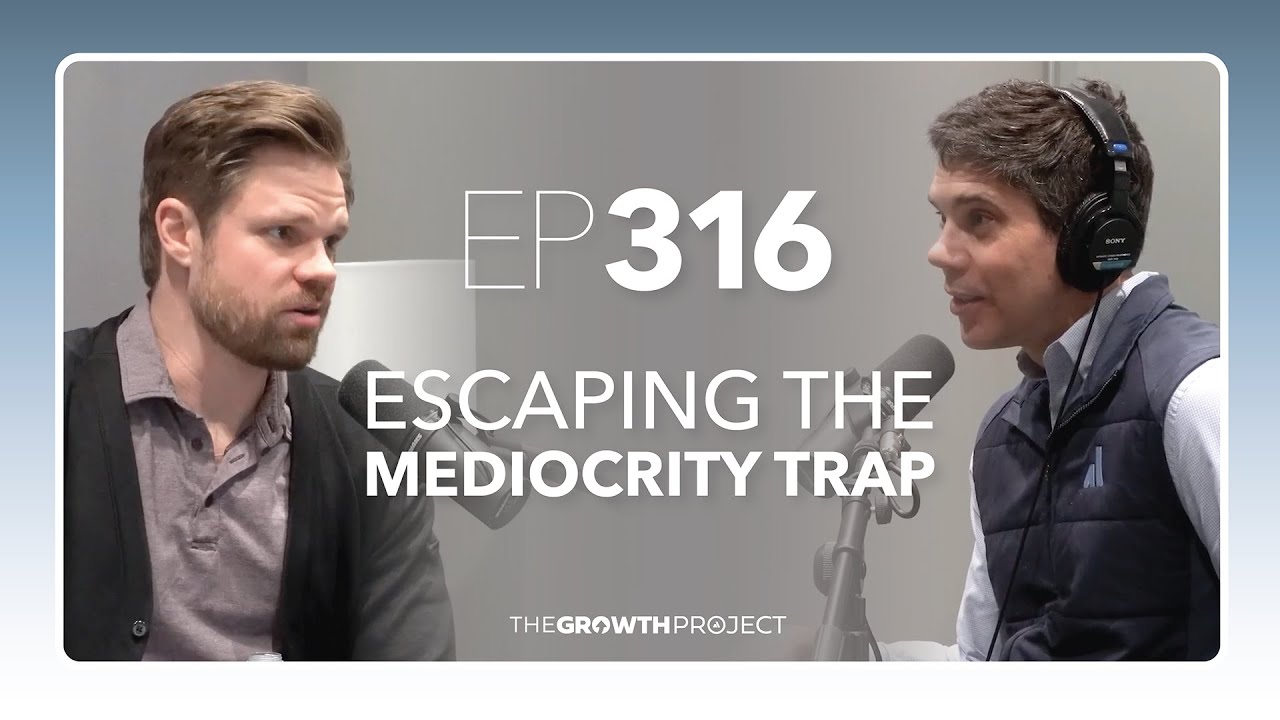
Are you stuck in the mediocrity trap—settling for comfort instead of striving for growth? In this episode, Drs. Drew Brannon and Cory Shaffer break down what keeps us stagnant and how to create the escape velocity needed to break free from being "happy enough."


Updates to the HIPAA Security Rule are currently under consideration. If approved, they will change the standard for cybersecurity compliance.


Suppliers in consumer goods, manufacturing, and retail sectors should meet rising buyer demands for sustainable supply chains. Buyers now rely on standardized frameworks to evaluate suppliers' sustainability efforts.


We all experience stress, but what if you could make it work for you instead of against you?


The tax laws for medical goods and services vary by state and by product line, making them hard to decipher and easy to misapply. Understand the complexity of sales and use tax laws for multi-state operators and how to avoid costly penalties.


The Elliott Davis Team explore updated U.S. tax reform and charitable giving strategies for 2025. Learn how new rules impact deductions, estate planning, and year-end philanthropy.


Expiring TCJA provisions, potential tax hikes, new income tax disclosure rules, and proposed tariffs could disrupt supply chains, increase costs, and impact financial strategies in 2025.


Discover how the South Carolina New Jobs Credit works, eligibility requirements, and additional opportunities, such as bonuses for Brownfield sites.


In this special live episode from TPM's annual kickoff in downtown Greenville, SC, Drs. Milt Lowder and Cory Shaffer dive into five of Nike's Principles that fuel their iconic success.


Learn about the top ESG priorities for 2025, including compliance and reporting, carbon management, social impact, biodiversity, and assurance.


Data-driven solutions can improve revenue cycle management (RCM) for healthcare organizations. Learn the benefits of external assessments through a real-world example of identifying and resolving RCM inefficiencies, improving financial performance, and driving growth.