find your solution.
search for solutions by category, industries, insights, and people.


find your solution.
search for solutions by category, industries, insights, and people.
search for solutions by category, industries, insights, and people.
search for solutions by category, industries, insights, and people.
%20(1).jpg)

The Centers for Medicare & Medicaid Services (CMS) Rural Health Transformation (RHT) Program is not a traditional grant. It is a multi-year, state-administered transformation initiative with layered federal and state oversight and compressed timelines.
Authorized by the One Big Beautiful Bill Act, the RHT Program commits $50 billion over five years (FY 2026–2030) to help states transform and modernize rural health systems, expand access to quality care, and strengthen workforce capacity through technology investments, strategic partnerships, and workforce training.
For rural hospitals and healthcare providers, the challenge is not accessing RHT funding but governing it effectively over five years of heightened oversight, reporting, and audit exposure. Without clear governance structures, organizations face fragmented decision-making, inconsistent documentation, and delayed responses to state or CMS requirements that can jeopardize funding and long-term program success.
While this investment creates a rare opportunity to address structural challenges facing rural providers, it also introduces enterprise-level risk and heightened accountability. Strong governance provides the foundation for managing that risk by defining who owns decisions, how priorities are set, how risks are escalated, and how accountability is maintained across the full grant lifecycle.
Under the RHT Program, CMS awards funding to states through cooperative agreements. States, in turn, distribute funds to rural healthcare organizations through sub-awards. This structure introduces multiple governance layers, each with distinct responsibilities, approval thresholds, and oversight expectations.
Since RHT initiatives are intended to reflect local needs and state priorities, effective governance must formally incorporate stakeholder engagement. Initiatives are strongest when they are co-designed with rural stakeholders and supported by a documented engagement framework that feeds into governance decision-making, oversight, and reporting. Structured engagement helps organizations demonstrate alignment with approved plans, anticipate implementation challenges, and support defensible decisions as programs scale.
For subrecipients, governance must be designed to:
Organizations that rely on informal oversight or ad hoc committees often struggle as reporting intensity increases and leadership attention shifts over time.
While governance structures will vary by organization size and complexity, effective RHT governance models typically include the following elements:
An executive sponsor or steering group sets direction, resolves escalated issues, and aligns with organizational priorities, balancing transformation goals with financial and operational realities.
Clear documentation of who approves budgets, project changes, vendor selections, and reallocations reduces delays and compliance risk. Capital expenditures should undergo pre-approval review against CMS allowable cost rules, particularly construction projects and major equipment purchases.
Governance connects finance, compliance, operations, and IT leaders to align spending decisions with allowable cost rules, reporting requirements, and internal controls. This includes:
Governance frameworks should also flag for-profit subrecipients at subaward setup, as they are subject to additional CMS-imposed conditions.
Subrecipients should review their specific award terms carefully rather than defaulting to 2 CFR 200 thresholds alone. Requirements under the Federal Funding Accountability and Transparency Act (FFATA) and related reporting provisions may vary by award and state implementation approach.
Regular, structured meetings, particularly early in the grant lifecycle, support consistent monitoring, timely issue identification, and clear communication with state agencies.
Written charters, approval workflows, and escalation protocols help preserve continuity as staff or leadership change over the multi-year program period.
RHT governance is not solely about administration. It is a core risk management mechanism that helps organizations manage the scale, complexity, and scrutiny associated with multi-year, state-administered federal funding.
Well designed governance creates clear accountability and disciplined oversight, enabling organizations to:
As RHT funding supports workforce expansion, technology investments, and new care delivery models, governance structures must be capable of overseeing increasingly complex operational activity to protect both the funding itself and the long-term viability of the initiatives it supports.
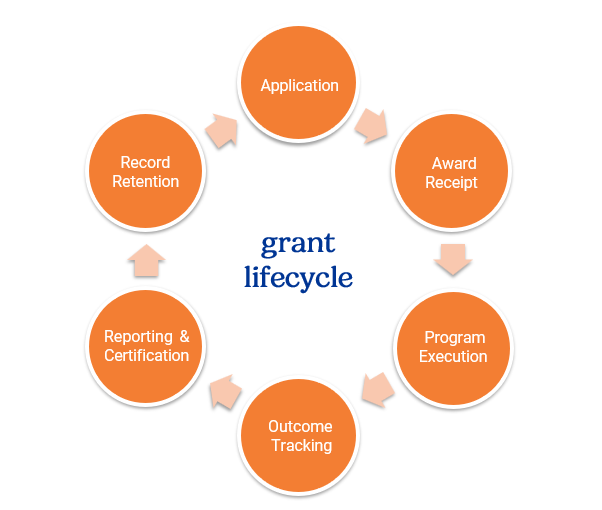
Governance decisions made in the first year of RHT participation often shape outcomes for the entire five-year funding window. Organizations that invest early in governance design are better positioned to convert grant dollars into sustainable improvements rather than short term projects that fade once funding ends.
The Elliott Davis Healthcare team helps rural hospitals and healthcare providers design practical governance structures aligned with RHT requirements, internal controls, and long-term strategic objectives, supporting organizations from early program design through post-grant closeout.
Contact us today to get started.
The information provided in this communication is of a general nature and should not be considered professional advice. You should not act upon the information provided without obtaining specific professional advice. The information above is subject to change.


.jpg)