
.jpg)






DO NOT PUBLISH




Table of Contents
Share with network
Related Insights
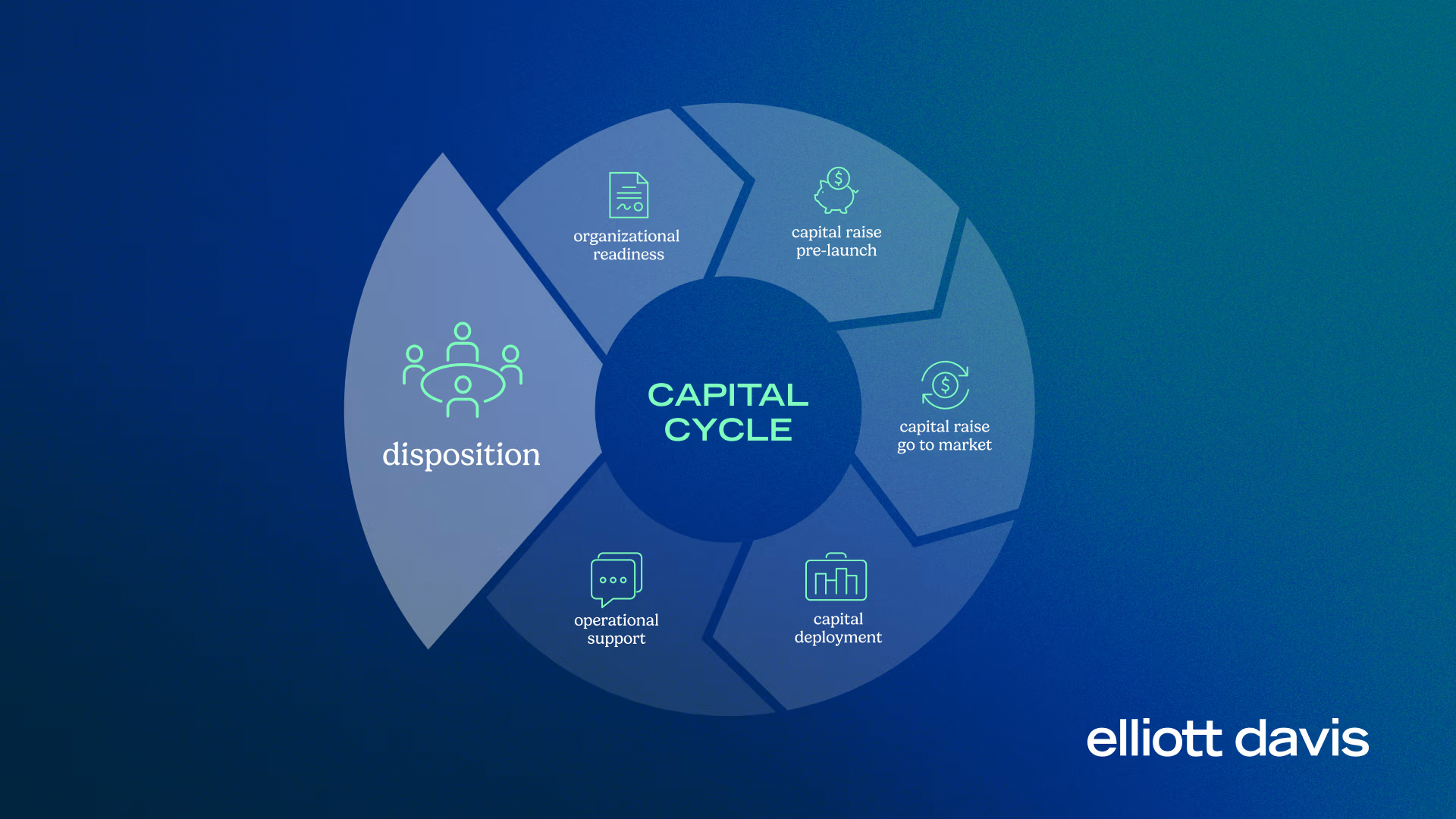
In the disposition phase of the capital cycle, compensation strategy becomes a critical lever for success. When cash flows in from an exit, how you reward and retain top talent can determine whether your firm sustains momentum or loses its competitive edge.
An exit event introduces both opportunity and risk. Payout structures must balance reward with retention, address tax consequences, and align executive interests with both the long-term success of the business and the immediate financial boon of the disposition.
Although these decisions often feel like end-of-cycle considerations, the truth is they should be mapped out years in advance. A well-designed compensation plan attracts high-performing team members, incentivizes results, and differentiates your firm in a competitive market.
Real estate firms may consider several different approaches to compensate key employees during an exit. Five common approaches are outlined below. Each method varies in complexity, tax treatment, and its ability to drive retention and performance. Understanding these options early helps firms choose strategies that align with their goals and support transaction success:
Description: Cash paid upon closing, often discretionary.
Pros: Simple to implement; no legal hurdles.
Cons: Taxed as ordinary income and subject to employment taxes; offers no ownership and limited retention incentive.
Best For: Firms seeking a quick, straightforward solution.
Description: Key employees receive units in the General Partner (GP) entity, sharing in profits earned at exit.
Pros: Taxed at capital gains rates; strong alignment with deal success.
Cons: Requires legal structuring and increased tax compliance; vesting schedules and forfeiture rules must be clear.
Best For: Firms wanting to share in economic upside without requiring capital investment.
Description: Employees invest alongside Limited Partners (LPs), often through sponsor-assisted vehicles.
Pros: Creates “skin in the game”; promotes deal success.
Cons: Requires upfront capital; weaker retention if ownership persists after departure.
Best For: Firms fostering entrepreneurial culture and shared risk.
Description: Employees earn a share of the GP’s disposition fee upon successful closing.
Pros: Guaranteed payout tied to closing; drives focus on maximizing overall sale value.
Cons: Taxed as ordinary income; rewards short-term results over deferred success.
Best For: Property managers and operational leaders directly influencing exit outcomes.
Description: Employees share in company profits over time, often through vested equity interests.
Pros: Aligns interests with firm growth; shares in ordinary and capital gain income.
Cons: Complex to structure; requires valuations, complex allocations, and legal oversight.
Best For: Larger institutional firms and Real Estate Investment Trusts (REITs) seeking sustained engagement.
Each compensation structure comes with distinct and far-reaching implications. Bonuses are typically taxed as ordinary income and subject to employment taxes, which can significantly reduce the net benefit for recipients. In contrast, carried interest and co-investment options often qualify for more favorable capital gains treatment, creating a meaningful tax advantage.
Equity-based plans can trigger multi-state filing requirements, and structures like GP interests or long-term incentive plans (LTIPs) require extensive legal work. This includes drafting operating agreements, establishing vesting schedules, and defining forfeiture provisions, which all demand careful planning to support compliance and reduce risk.
Compensation strategy should be integrated into your growth plan early, not left until closing. Standardized, firmwide approaches build trust and consistency while reducing the risks of case-by-case decisions. Most importantly, your approach should extend beyond the transaction to encourage commitment from key employees.
By aligning rewards with performance and retention, you assemble the right team to drive results across every project and achieve a successful exit.
Contact us today to start developing your compensation strategy.
The information provided in this communication is of a general nature and should not be considered professional advice. You should not act upon the information provided without obtaining specific professional advice. The information above is subject to change.
related
insights


.jpg)

%20(1).jpg)


